
A quiet Tuesday night can hurt more than a slow month. Rent is fixed, staff are scheduled, stock is ready, and empty tables do not pay for themselves. The good news is that many diners already decide where to eat or drink on their phones before they step out. A timely post, a tempting email, a strong review, or a limited offer can turn that decision in your favour.
Restaurants and bars do not need a huge budget or a large marketing team to bring more people through the door. What they need is a steady system that keeps the venue visible, gives people a reason to visit, and makes it easy to choose now rather than “sometime later”.
This guide covers simple, practical digital marketing techniques that can help increase foot traffic, fill slower hours, and build repeat visits.
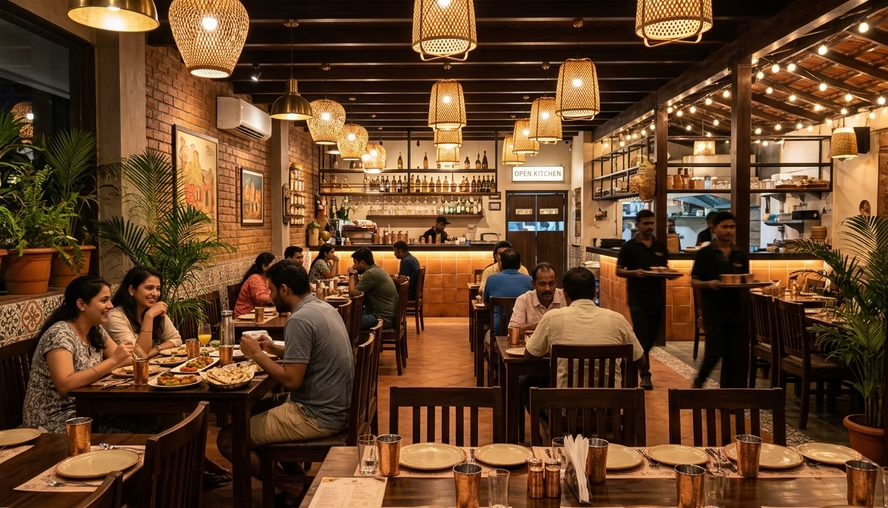
A welcoming dining room gives online visitors a reason to visit in person.
Start with a clear reason to visit
Before posting daily on social media or sending offers, answer one question: why should someone visit this week?
People respond better to specific reasons than general reminders. “Visit us soon” is easy to ignore. “Live acoustic night this Friday with two-for-one mocktails from 7 pm to 9 pm” gives a clear reason to act.
A strong visit reason can be built around:
- A new dish or seasonal drink
- A weekday lunch combo
- A happy hour window
- A live music night or quiz night
- A screening of a major match
- A chef’s special available for a limited time
- A festival menu or family brunch
Keep the offer simple. If guests need to read long terms and conditions, the excitement drops. A clear offer works best when staff can explain it in one sentence and customers can share it easily with friends.
For example, instead of saying:
“Special discounts available on selected items for a limited duration.”
Say:
“Get a free dessert with any two main courses from Monday to Thursday.”
That kind of message is direct, easy to understand, and tied to real behaviour. It encourages people to visit on quieter days without damaging weekend demand.
A useful rule is to plan around the gaps in your week. If Friday and Saturday evenings are already strong, do not spend all your energy promoting them. Build digital campaigns for weekday dinners, late lunches, early evening drinks, or Sunday brunch.
Use social media to turn interest into visits
Social media works well for restaurants and bars because food, drinks, ambience, and events are naturally visual. People want to see what they will get before they choose a place. Your feed should make that choice easy.
Focus on platforms where your customers spend time. For many restaurants and bars, Instagram, Facebook, and WhatsApp are practical starting points. Short videos also work well, especially when they show food being prepared, drinks being poured, or guests enjoying an event.
The goal is not only likes. The goal is foot traffic. Every post should make the next step clear.
Post content that creates appetite
A strong restaurant post does more than show a dish. It helps people imagine the visit.
Good content ideas include:
- A close-up video of a sizzling starter leaving the kitchen
- A short clip of a bartender making a signature drink
- A photo carousel showing a full lunch combo
- A behind-the-scenes look at fresh ingredients
- A quick tour of the seating area before an event
- A staff recommendation for the weekend
- A customer favourite dish with a short story
Use natural light where possible. Keep plates clean. Show portion size clearly. Avoid over-editing food photos because guests notice the difference when the dish arrives.
Captions should be simple and specific. Mention the dish name, price if useful, serving time, and how to book or walk in. For example:
“Spicy peri-peri paneer skewers are back tonight. Available from 6 pm. Ask for them before they sell out.”
That line gives the item, time, and urgency without sounding pushy.
Promote events before people make plans
Many people decide weekend plans by Thursday or Friday afternoon. If a bar posts about Saturday night only on Saturday evening, it may miss people who have already chosen somewhere else.
Create a simple event promotion rhythm:
| Timing | What to post | Purpose |
|---|---|---|
| 5 to 7 days before | Event announcement with date and time | Help people plan |
| 2 to 3 days before | Food, drink, or performer highlight | Build interest |
| Same day | Short reminder with booking details | Prompt action |
| Next day | Photos or clips from the event | Show people what they missed |
For bars, this can work for live music, karaoke, match screenings, DJ nights, ladies’ nights, or tasting sessions. For restaurants, it can support brunches, festival menus, chef specials, family events, and themed dinners.
Use location tags and local hashtags
People often search for places near them. Use location tags on Instagram and Facebook so nearby customers can find your venue. Add a few local hashtags that match your area, but do not overload the caption.
A restaurant in Indiranagar, Bengaluru, for example, may use a mix of area, cuisine, and occasion tags. A bar in Bandra may tag the neighbourhood and the type of night it offers. Keep the tags relevant to real searches.
Build email and WhatsApp campaigns that bring people back
Social media helps people discover you. Email and WhatsApp help bring back people who already know you.
A customer who has visited once is easier to bring back than a stranger. The challenge is to stay in touch in a way that feels useful, not irritating.
Start collecting customer details with consent. This can happen through table booking forms, Wi-Fi sign-ins, loyalty programmes, feedback forms, or billing counters. Be clear about what people are signing up for. For WhatsApp, only message customers who have opted in.
Segment your list so messages feel relevant. You do not need complex software at the start. Even simple groups can work:
- Weekday lunch customers
- Weekend diners
- Regular bar guests
- Birthday and anniversary guests
- Customers who attended events
- Customers who have not visited recently
Then send offers that match each group.
A weekday lunch guest may respond to a quick thali or meal bowl offer. A birthday customer may appreciate a dessert or table decoration offer. A bar regular may want early access to a match night booking.
Keep messages short and useful
A good email or WhatsApp message should answer four things quickly:
- What is the offer or update?
- When is it available?
- Why should the guest care?
- How can they book or claim it?
Here is a simple format:
Subject: Your Thursday dinner plan is sorted
Our new coastal seafood special is available this Thursday and Friday from 7 pm. Book a table for four and get one complimentary dessert platter. Reply “BOOK” or call us to reserve your table.
This works because it is clear, timely, and easy to act on.
Do not send too many messages. A weekly or fortnightly update is enough for most restaurants. Bars with regular events may send more, but each message should have a real reason.
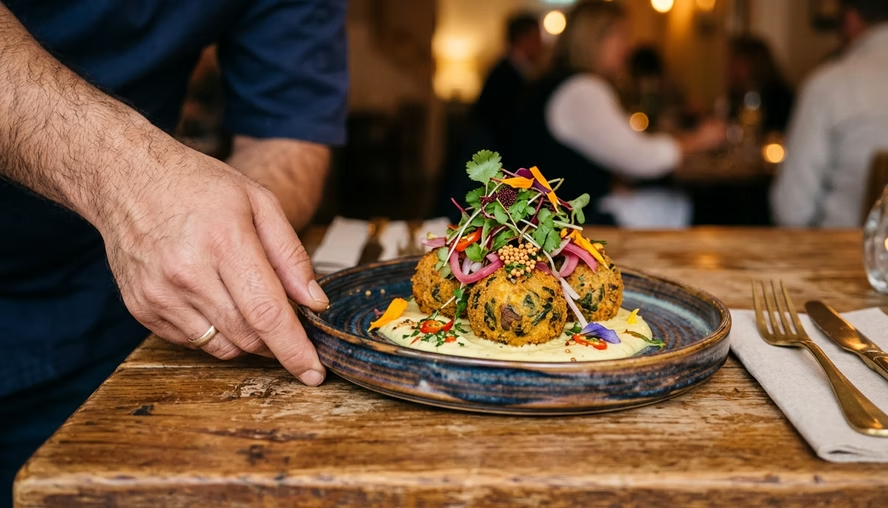
Food that looks fresh and specific performs better than generic menu photos.
Create content that sells the experience, not just the menu
People choose restaurants and bars for many reasons: food, mood, comfort, service, music, crowd, price, and occasion. Your digital content should show the full experience.
A menu photo alone does not always convince someone. A video of friends sharing a loaded platter, a family enjoying Sunday lunch, or a couple trying a dessert flight gives more context.
Plan content around the moments people care about.
Show the menu in real situations
Instead of only posting polished dish photos, show how guests actually enjoy your menu.
Try content like:
- “Best dishes for a quick office lunch”
- “Three starters that work well with craft beer”
- “What to order for a table of four”
- “Our most ordered dessert this month”
- “A vegetarian dinner spread under ₹1,500”
- “Date night picks from our kitchen”
This helps customers make decisions faster. It also reduces friction. If someone already knows what to order, they feel more confident about visiting.
Use short videos for high-energy moments
Short videos can show movement, sound, and atmosphere. They work especially well for bars and casual dining spaces.
Useful video ideas include:
- A 10-second pour of a signature cocktail
- A sizzling tandoori platter
- A quick room scan before a live band begins
- A chef tossing noodles on a hot wok
- A dessert being served at the table
- A packed screening during a cricket match
Keep videos short and clear. Add captions because many people watch with sound off. Mention the day, time, and booking method in the post text.
Share the people behind the venue
Guests connect with people. Introduce the chef, bartender, host, or long-time server. A simple clip where a bartender recommends a drink can feel more personal than a designed poster.
This kind of content builds familiarity. When guests recognise a face from your page, the venue feels more welcoming before they arrive.
Turn reviews and testimonials into trust
Online reviews influence dining decisions. A strong rating helps, but individual comments often matter more. People read reviews to answer practical questions: Is the food consistent? Is the place clean? Is service friendly? Is it worth the price? Is it good for families, dates, groups, or late-night plans?
Encourage happy guests to leave reviews on Google, Zomato, Swiggy Dineout, Tripadvisor, or the platforms most relevant to your location. Do this while the experience is still fresh.
Staff can say:
“If you enjoyed your meal, a quick review really helps more people find us.”
That is polite, simple, and not forceful.
Respond to reviews with care
Reply to both positive and negative reviews. A short thank-you shows that the team is active. A calm response to criticism shows professionalism.
For positive reviews, mention something specific:
“Thank you for visiting us. Glad you enjoyed the butter garlic prawns and our live music night.”
For negative reviews, avoid arguing. Acknowledge the concern, apologise where needed, and invite the guest to connect privately.
A thoughtful response can win back the reviewer and reassure future guests.
Reuse testimonials in your content
Good reviews should not sit unseen. Turn customer comments into simple social posts, stories, email snippets, or website highlights.
For example:
- “Best place for a relaxed Sunday brunch”
- “The mocktails were fresh and the service was quick”
- “Great spot to watch the match with friends”
Use real comments only, and avoid changing the meaning. If you use a customer’s photo or name, ask for permission first.
Testimonials work because they come from guests, not from the business. They give potential visitors proof that the experience is worth leaving home for.
Offer exclusive digital deals that protect your margins
Discounting can bring people in, but careless discounting can train customers to wait for deals. The better approach is to create digital offers that fill gaps, reward action, and support repeat visits.
Good offers are specific, time-bound, and easy to track.
Try these ideas:
- A weekday-only set menu
- A free dessert for online reservations before 6 pm
- A birthday month offer for email subscribers
- A “bring three friends” group deal
- A limited code shared only on Instagram Stories
- A complimentary starter for guests who book through WhatsApp
- Early-bird pricing for ticketed events
The key is to match the offer to business need. If lunch is slow, create a lunch offer. If a bar needs early evening traffic, run a pre-8 pm deal. If events sell out late, give early booking benefits.
Use simple promo codes so staff can track what works. Codes such as INSTA10, EMAILDESSERT, or WHATSAPPBRUNCH can show which channel brings the most foot traffic.
Measure what matters
Digital marketing becomes easier when you track a few useful numbers. You do not need a complex dashboard. A weekly sheet is enough.
| Metric | Why it matters |
|---|---|
| Bookings from posts | Shows which content drives visits |
| Offer redemptions | Reveals which deals work |
| Repeat visits from messages | Measures customer loyalty |
| Review count and rating trend | Tracks reputation |
| Event attendance | Shows which themes attract people |
| Slow-day sales | Confirms if campaigns fill gaps |
Ask staff to record where bookings come from. Add a simple question during reservation: “Where did you hear about this offer?” Over time, patterns become clear.
You may find that Instagram brings new guests, WhatsApp brings regulars, and email works best for birthdays or family meals. Once you know that, you can spend time where it counts.
Build a weekly rhythm you can maintain
The best plan is one you can repeat. A restaurant or bar team already has enough to manage, so keep the digital routine realistic.
Here is a simple weekly plan:
| Day | Activity |
|---|---|
| Monday | Post a weekday offer or lunch special |
| Tuesday | Share a customer review or testimonial |
| Wednesday | Promote weekend events or specials |
| Thursday | Send a short email or WhatsApp update |
| Friday | Post a video of food, drinks, or ambience |
| Saturday | Share live stories from the venue |
| Sunday | Post brunch, family dining, or next week’s teaser |
Batch content when possible. Spend one hour each week taking photos and videos of dishes, drinks, the dining area, and staff recommendations. Save them in folders by theme so you are not starting from scratch every day.
Smart digital marketing strategies work best when they stay close to the guest experience. Show real food, real moments, real offers, and real reasons to visit.
The takeaway
More foot traffic does not come from posting randomly or discounting heavily. It comes from giving people clear reasons to visit, reaching them where they already spend time, and reminding past guests to return.
Start small. Pick one slow day to promote, one customer group to message, and one offer to test. Track the results for a few weeks. Then improve what works.
A full restaurant or bar often begins with a simple digital nudge at the right moment. Make that nudge clear, useful, and easy to act on.