
A customer rarely decides what to eat at random. The decision often happens in a short window, right before hunger turns into action. For food businesses, that window is valuable.
Lunch buyers start thinking about meals late in the morning. Dinner plans take shape in the evening, often while people are commuting, finishing work, or scrolling on their phones. Well-timed digital ads can place a restaurant, cloud kitchen, café, bakery, or tiffin service in front of customers at the exact moment they are ready to order.
That timing matters. Ads shown during lunch hours from 11 AM to 3 PM and dinner hours from 6 PM to 10 PM can increase engagement, improve order intent, and turn casual attention into real sales.
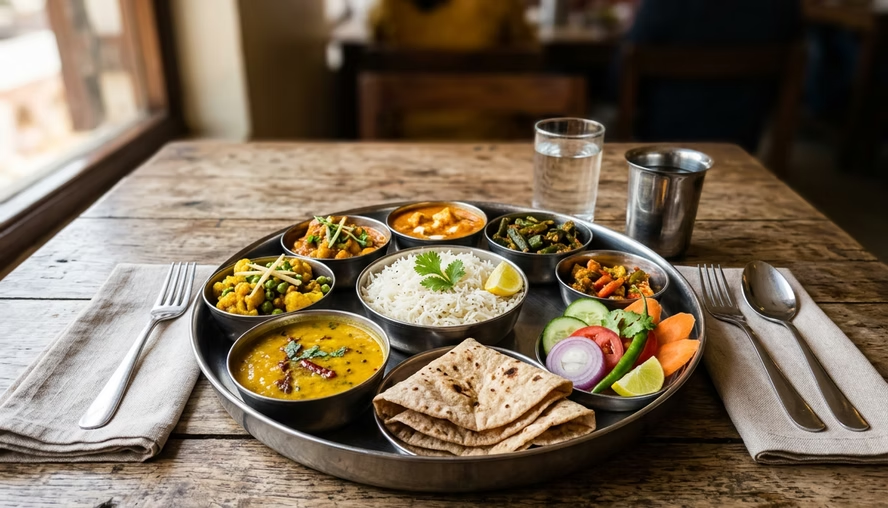
Lunch-time ads work best when customers are already thinking about food.
Why timing changes the result of food ads
Food marketing is closely tied to appetite, routine, and convenience. A lunch offer shown at 8 PM may be ignored. The same offer shown at 12:30 PM can feel useful because it matches the customer’s immediate need.
Timed ads work because they meet three conditions at once:
- High intent: People are actively deciding what to eat.
- Low delay: The gap between seeing the ad and placing an order is short.
- Clear relevance: A meal offer feels practical when it appears near mealtime.
For example, an office worker may not search for “best biryani near me” at 9 AM. By 1 PM, the same person may be hungry, short on time, and ready to pick a delivery option. A sponsored ad for a lunch combo, free delivery, or quick-prep meal can influence that choice.
This is the core strength of timed digital advertising. It does not wait for customers to remember a brand. It creates a timely nudge when the buying decision is already forming.
Lunch ads from 11 AM to 3 PM catch the busiest decision window
Lunch is one of the most predictable ordering periods for food businesses. Many people eat within a fixed break, especially office workers, students, shop staff, and people working from home. That makes the 11 AM to 3 PM slot ideal for campaigns built around speed, value, and availability.
A strong lunch campaign can promote:
- Meal combos
- Thalis and set menus
- Quick delivery items
- Office group orders
- Budget-friendly weekday offers
- Pre-order options for busy locations
The message should match the mood of the hour. At lunch, customers often want a fast, filling, dependable meal. They may not want to browse a long menu. Ads with clear photos, short copy, and direct offers can reduce hesitation.
A good lunch ad might focus on a specific promise such as “hot meals delivered in your lunch break” or “weekday veg and non-veg combos available till 3 PM”. The goal is to make the decision feel easy.
| Time window | Customer mindset | Best ad focus |
|---|---|---|
| 11 AM to 12 PM | Planning lunch early | Pre-orders, office meals, group orders |
| 12 PM to 2 PM | Ready to order now | Fast delivery, combos, bestsellers |
| 2 PM to 3 PM | Late lunch or snack need | Light meals, quick bites, discounts |
Food businesses that use this window well can improve repeat orders too. If a customer has a smooth lunch experience once, the same brand may become part of their routine.
Dinner ads from 6 PM to 10 PM help capture bigger orders
Dinner decisions often involve more people, more items, and higher order values. Families may order full meals. Friends may choose snacks and beverages. Couples may look for comfort food after work. This makes the 6 PM to 10 PM window especially useful for increasing average order size.
Dinner campaigns can promote:
- Family meal packs
- Biryani, pizza, rolls, or Chinese combos
- Weekend specials
- Desserts and add-ons
- Celebration meals
- Late evening cravings
The dinner audience is different from the lunch audience. People may have more time to browse and compare. They may respond better to attractive food visuals, limited-time offers, and bundled meals.
For example, a restaurant can run ads between 6:30 PM and 9 PM for a “dinner for four” pack. A dessert brand can promote brownies, cakes, or ice cream after 8 PM, when post-dinner cravings begin. A cloud kitchen can push bestsellers with clear delivery areas and estimated availability.
The key is not just being visible. The key is being visible with the right offer at the right hour.
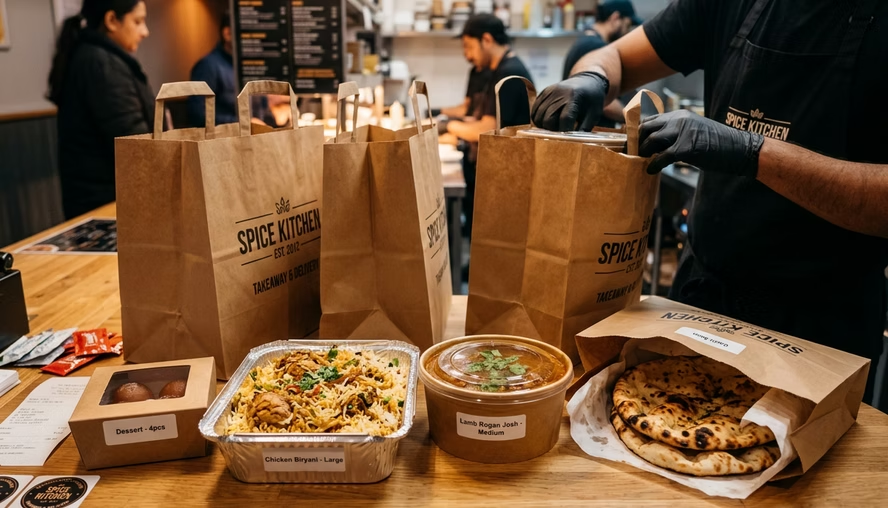
Dinner campaigns can encourage larger orders and add-ons.
How timed ads increase customer engagement
Customer engagement is not only about likes or clicks. For food businesses, meaningful engagement includes menu views, calls, direction requests, cart additions, coupon use, and completed orders.
Timed ads improve engagement because they reduce friction. When an ad appears during lunch or dinner hours, the customer does not need to imagine a future need. The need is already present.
Well-planned ads can also guide customers through simple actions:
- See a relevant meal offer.
- Tap to view the menu.
- Check price, photos, and delivery time.
- Place an order or call the outlet.
- Save the brand for the next meal.
This flow works best when the ad message is specific. “Order now” is less persuasive than “Lunch thali available till 3 PM” or “Family dinner combo available tonight”. Specific timing makes the offer feel immediate.
Timed campaigns also help with local recall. If a person sees the same café or restaurant during meal hours over several days, the brand starts to feel familiar. That familiarity can make a difference when several food options look similar.
Why Aquilla’s digital services make these campaigns stronger
Running timed ads manually can be difficult. A business has to choose the right audience, set the right hours, track responses, test offers, and adjust spend. Aquilla’s digital services help food businesses manage this process with more control and clarity.
Targeted advertising reaches the right diners
Aquilla can help create targeted campaigns based on location, customer behaviour, interests, and meal-time intent. This means a café can reach nearby breakfast and lunch customers, while a cloud kitchen can focus on delivery zones where it can serve orders quickly.
Targeting also helps reduce waste. Instead of showing ads to a broad audience at all hours, the campaign can focus on people most likely to order during lunch and dinner.
Analytics show what is actually working
Digital ads become more powerful when businesses understand the numbers behind them. Aquilla’s analytics can help track which time slots, offers, images, and locations bring better results.
A food business can learn practical details such as:
- Which lunch offers get the most clicks
- Which dinner ads lead to more calls or orders
- Which locations respond best
- Which dishes attract repeat interest
- Which campaigns need a budget change
This helps owners make decisions based on real customer behaviour, not guesswork.
Wider customer reach builds steady demand
Aquilla’s services can help food businesses reach new customers across search, local platforms, and online channels where people discover places to eat. For newer brands, this reach can create awareness. For established brands, it can keep the business visible during high-value ordering hours.
The best results come when reach, timing, and message work together. A tempting food photo is useful. A good offer is useful. But a tempting offer shown right before lunch or dinner is far more likely to bring action.
Make meal-time visibility a daily sales habit
Food businesses do not need to advertise all day to see better results. A smarter approach is to focus on the hours when customers are already hungry and ready to buy.
Lunch ads from 11 AM to 3 PM can bring quick, routine-driven orders. Dinner ads from 6 PM to 10 PM can attract larger meals, family packs, and add-ons. With Aquilla’s targeted advertising, analytics, and customer reach, these windows can become consistent sales opportunities rather than missed moments.
The next mealtime rush is not just a busy period. It is a chance to be seen, chosen, and remembered.